

Tunisia E-Invoicing Compliance Solutions and Digital Tax

Oracle Enterprise Transactions Connected
Get Started With Tunisia DGI e-Invoicing
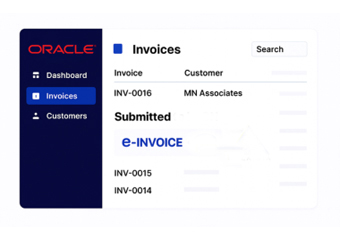
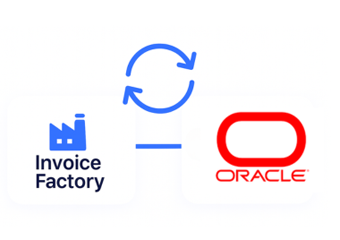
Advintek connects Oracle enterprise transaction data with Tunisia DGI e-invoicing, helping organizations move financial and commercial documents into structured electronic processing.
Powerful features

Compliance That Fits Oracle Users

Affordable pricing for SMEs

Simple, Transparent Pricing

Starting from as low as

RM 20

Tunisie-Content-Image

From Oracle Transaction Records to Tunisia DGI

  • Find the Source Transaction: The process begins by identifying the Oracle transaction that represents the business activity requiring electronic invoicing.
  • Bring Supporting Records Together: Customer, transaction, line-item, tax, accounting, and reference information is gathered to establish the complete invoice context.
  • Resolve the Invoice Details: Commercial and financial information is organized so the electronic document accurately represents the underlying transaction.
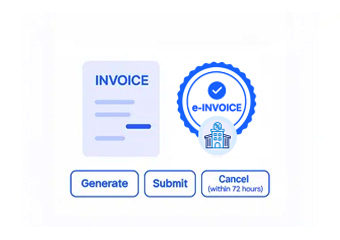
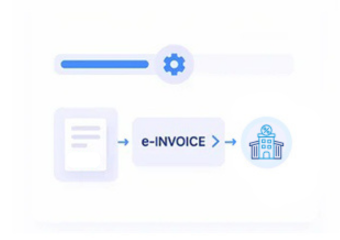
  • Prepare the Regulatory Document: Required invoice content is converted into the applicable electronic structure before entering Tunisia DGI process.
  • Process Through DGI: The prepared invoice moves through the applicable Tunisia electronic invoicing infrastructure for DGI processing and receives the corresponding result.
  • Connect the Result With Oracle: The processed electronic document can remain associated with its originating transaction and related Oracle information for ongoing reference.

What Advintek Adds Around Oracle

Advintek creates a Tunisia DGI e-invoicing layer around Oracle transactions, helping organizations connect enterprise financial activity with electronic document preparation and regulatory processing.

What is Advintek’s e-Invoice Connector for Oracle ERP
ما هو موصل الفاتورة الإلكترونية

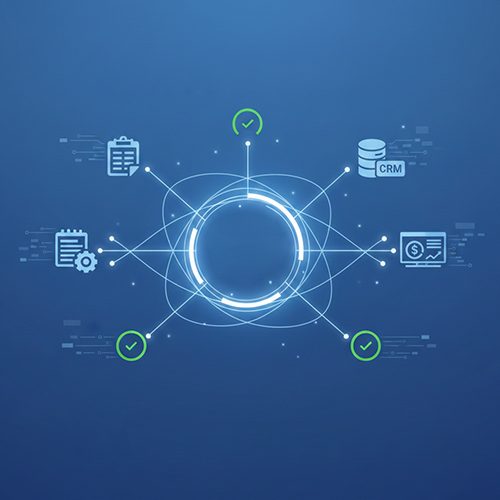
Enterprise Information Working Together for DGI

  • Receivables Provide the Starting Signal: Customer accounting activity can identify transactions that belong in the electronic invoicing process without separating invoicing from the financial environment.
  • Customer Accounts Give the Document Its Identity: Existing account information can support invoice identification and preserve the relationship between the document and the organization being billed.
  • Transaction Lines Explain the Business Event: Detailed goods and service information gives the electronic invoice substance and helps represent what the transaction actually covers.
  • Tax Information Works Beside Financial Data: Applicable VAT and taxable amounts can be considered together with transaction values, creating a more complete invoice record.
  • Accounting Context Supports Follow-Up: Relevant financial information can help teams understand how the invoice relates to the underlying enterprise transaction after regulatory processing.
  • References Make Enterprise Records Easier to Follow: Consistent document and transaction identifiers can help connect the electronic invoice with its originating Oracle activity.
Powerful features

Everything You Need for Tunisia E-Invoicing in One Place

built for New Zealand

Oracle Enterprise Activity Aligned With Tunisia DGI

Organizations using Oracle can connect customer, receivables, transaction, tax, accounting, and invoice information with Tunisia DGI electronic invoicing while maintaining established financial workflows and supporting consistent compliance processes.

Connect Oracle Transactions

With Tunisia DGI e-Invoicing

Give Oracle enterprise transactions a structured route into Tunisia DGI electronic invoicing without separating regulatory processing from financial operations.

Keep customer accounts, transaction lines, tax information, accounting context, invoice references, and DGI outcomes connected throughout processing.

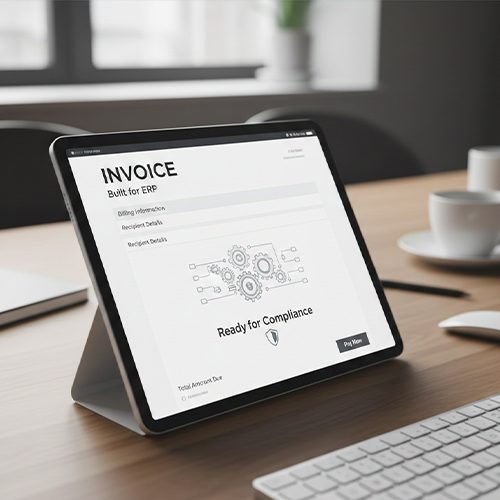
Ready e-Invoice System

0 % DGI

Frequently Asked Questions Oracle E-Invoicing Tunisia

Can Oracle connect with Tunisia DGI e-invoicing?

Yes. Relevant Oracle financial and commercial transaction information can connect with an electronic invoicing workflow supporting applicable Tunisia DGI processing requirements.

Depending on the transaction, customer accounts, receivables, transaction lines, tax information, accounting values, invoice references, and related business details may contribute.

Relevant Oracle transaction information is gathered, organized into the required electronic invoice structure, reviewed, and then routed through the applicable Tunisia DGI processing workflow.

Yes. Applicable VAT, taxable values, and related tax information can contribute to electronic invoice preparation where those details apply to the underlying transaction.

Yes. Electronic invoice information and processing outcomes can remain associated with originating Oracle transactions, supporting document tracing and financial record continuity.