

Compliance That Fits E-Freight ERP Users
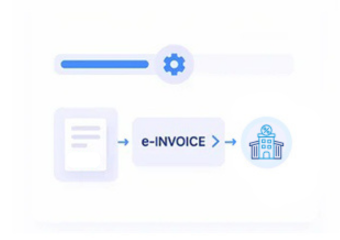
How EFC-ERP Freight Data Moves Into DGI Invoicing
- Freight Information Collection: Relevant shipment, customer, service, route, charge, and billing information is gathered from EFC-ERP for electronic invoice preparation.
- Billing Detail Mapping: Applicable freight and transaction information is mapped into the required invoice structure, helping preserve connections between logistics records and billing details.
- DGI Data Examination: Invoice information is reviewed for required taxpayer, transaction, numbering, taxable amount, VAT, and other applicable details before processing continues.
- Invoice Record Creation: Verified information is assembled into an electronic invoice record, creating a structured document from the originating freight and billing information.
- Regulatory Processing: Prepared invoices move through the applicable Tunisia electronic invoicing infrastructure for processing under the DGI framework, with responses returned to the connected workflow.
- Shipment-to-Invoice Record Updates: Processing outcomes are associated with relevant invoice information, helping teams maintain visibility between freight activities and completed electronic invoice records.
Connecting EFC-ERP Freight Billing With DGI
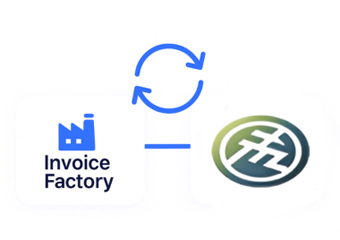
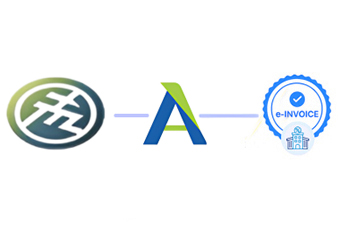
Advintek links EFC-ERP freight and billing information with Tunisia DGI e-invoicing, transforming relevant logistics records into structured electronic invoices and supporting validation, regulatory processing, and status tracking.
- Maps freight and billing details into invoice records
- Reviews invoice information before DGI processing
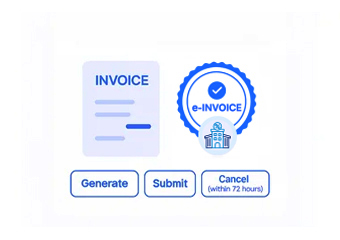
- Supports structured electronic invoice preparation and submission
- Tracks processing responses against invoice records
Better Control Across Freight Invoicing
- Shipment-Billing Continuity: Relevant shipment information can remain connected with invoice records, helping teams understand the transaction behind each freight billing document.
- Cleaner Charge Information: Structured preparation helps organize freight charges and related details before invoices enter the DGI processing workflow.
- Earlier Data Review: Invoice information can be examined before submission, giving teams an opportunity to address missing or inconsistent details.
- Less Fragmented Processing: Freight billing information follows defined stages instead of requiring separate preparation across disconnected logistics and compliance activities.
- Stronger Invoice Traceability: Electronic invoice records can retain links to relevant freight and billing information, supporting easier follow-up and historical reference.
- DGI-Oriented Preparation: Invoice information is structured with applicable DGI requirements in mind, helping logistics teams prepare more complete electronic invoice records.
Everything You Need for Tunisia E-Invoicing in One Place
Freight Data Mapping
Shipment and billing information can be organized into invoice-ready records, helping preserve important relationships between logistics activity and electronic documents.
Regulatory Status Visibility
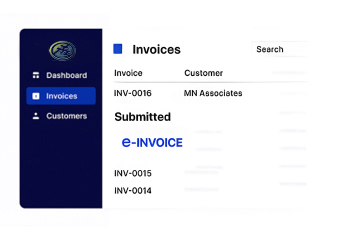
Teams can monitor invoice movement across validation, DGI processing, submission, and response stages through the connected workflow.
Invoice Record Continuity
Electronic invoice information remains organized with relevant freight records, supporting traceability and easier reference after regulatory processing.
Designed Around EFC-ERP Logistics Operations
Freight businesses using EFC-ERP can connect shipment, customer, service, and billing information with Tunisia DGI e-invoicing while preserving established logistics workflows across daily freight and financial operations.
- Continue managing freight activities through EFC-ERP
- Connect billing information with DGI processing
- Maintain structured electronic invoice records
- Follow invoices from freight activity through processing
Tunisia DGI e-Invoicing
Connect freight billing information with DGI processes through structured invoice preparation and regulatory validation.
Maintain continuity between shipments, billing details, DGI processing, submission activity, and organized electronic invoice records.
Ready e-Invoice System
Frequently Asked Questions E-Freight ERP E-Invoicing Tunisia
Can E-Freight EFC-ERP connect with Tunisia DGI e-invoicing?
Relevant EFC-ERP freight, customer, service, and billing information can be connected with an electronic invoicing workflow supporting applicable DGI preparation and processing requirements.
How does EFC-ERP freight billing reach DGI?
Advintek can collect relevant freight and billing information, organize required invoice data, perform applicable checks, and route prepared electronic invoices through the DGI process.
What EFC-ERP information can support electronic invoices?
Depending on the transaction, relevant information may include customer details, shipment references, freight services, charges, invoice information, taxable amounts, and applicable VAT details.
Can freight invoices be checked before DGI processing?
Yes. Connected processing can review relevant invoice information before regulatory handling, helping identify missing or inconsistent details requiring attention.
Can EFC-ERP invoice activity be tracked?
The connected workflow can provide visibility into invoice preparation, validation, DGI processing, submission responses, and associated freight billing records throughout the electronic invoicing lifecycle.