

Compliance That Fits SAP ECC Users
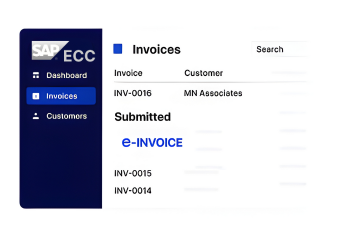
From SAP ECC Billing to a DGI Electronic Document
- Sales Activity Reaches Billing: The process begins when completed commercial activity produces a relevant SAP ECC billing document.
- Billing Data Is Extracted: Customer, material, organizational, financial, tax, and document information is gathered from the associated SAP ECC records.
- FI Context Is Connected: Relevant accounting information is brought together with billing data to establish the financial identity of the transaction.
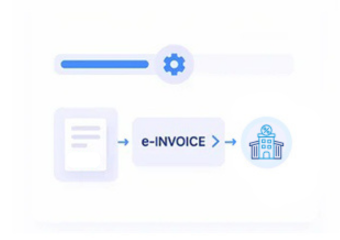
- The Document Is Formatted: Invoice values, customer details, item information, tax data, and references are organized into electronic invoice content.
- DGI Processing Takes Over: The prepared document moves through the applicable Tunisia electronic invoicing infrastructure for DGI processing and regulatory response.
- Enterprise Records Remain Connected: Processing information can remain associated with the original SAP ECC billing and accounting records for continued reference.
Extend SAP ECC Billing Beyond the Core ERP
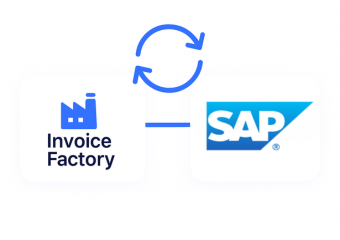
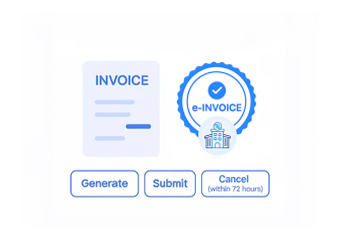
Advintek creates a structured connection between SAP ECC billing activity and Tunisia DGI e-invoicing, allowing established enterprise records to feed electronic invoice preparation, validation, submission, tracking, and regulatory processing workflows.
- Connects SAP ECC billing with DGI processing
- Uses integrated financial and sales information
- Carries organizational details into invoice preparation
- Maintains links with enterprise source documents
How SAP ECC Enterprise Records Build the Invoice
- Billing Documents Form the Core: SAP ECC billing records bring commercial and financial information together at the point where the transaction becomes an invoice.
- FI Documents Add Accounting Context: Financial accounting records can provide additional information around the billing document and its place within enterprise accounting.
- Customer Master Data Identifies the Buyer: Existing master data can provide relevant customer information without separating invoice preparation from established SAP records.
- Materials Give Lines Their Detail: Material master records can contribute consistent product descriptions, codes, units, and quantities to invoice content.
- Company Codes Define the Entity: Organizational information can identify the SAP ECC business entity responsible for the transaction and resulting electronic document.
- Tax Data Completes the Fiscal View: Relevant tax information can be considered with commercial and accounting values before the document enters DGI processing.
Everything You Need for Tunisia E-Invoicing in One Place
SD Billing Integration
Sales and distribution billing documents provide a central source of commercial information for electronic invoice preparation.
FI Accounting Integration
Financial accounting records can supply the accounting context surrounding invoices generated from SAP ECC business transactions.
Enterprise Master Data
Customer, material, and organizational master data can provide consistent information across the electronic invoice lifecycle. .
Keep Established SAP ECC Processes Connected With DGI
Businesses operating SAP ECC can connect billing, accounting, customer, material, organizational, and tax information with Tunisia DGI electronic invoicing across established business workflows.
- Retain established SAP ECC billing processes
- Use existing enterprise master data
- Connect billing with financial records
- Keep DGI documents linked with SAP ECC
With Tunisia DGI Electronic Invoicing
Extend established SAP ECC billing and accounting processes into Tunisia DGI electronic invoicing without separating the electronic document from its enterprise source records.
Carry billing details, customer information, material data, FI records, organizational context, tax information, and DGI processing results through one structured workflow.
Ready e-Invoice System
Frequently Asked Questions SAP ECC E-Invoicing Tunisia
Can SAP ECC connect with Tunisia DGI e-invoicing?
Yes. Relevant SAP ECC billing, accounting, customer, material, organizational, and tax information can connect with an electronic invoicing workflow supporting applicable Tunisia DGI requirements.
Which SAP ECC documents can support electronic invoice preparation?
Depending on the transaction, billing documents, accounting documents, customer master records, material records, organizational information, tax data, and references can contribute.
Can SAP ECC billing documents provide invoice information?
Yes. Billing documents can provide commercial values, customer references, item information, tax details, and other applicable data for electronic invoice preparation.
Can FI accounting information remain associated with invoices?
Yes. Relevant financial accounting information can remain connected with billing activity, supporting financial context and document review.
Can SAP ECC material master data support invoice lines?
Yes. Applicable material descriptions, codes, units, quantities, and related information can contribute to electronic invoice lines.