

Compliance That Fits Yardi Users
How Yardi e-Invoicing Works with Advintek
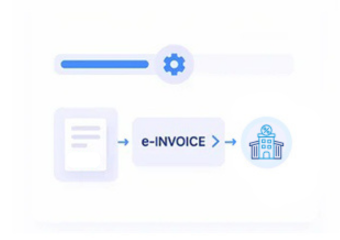
- A Tenant Obligation Arises: Relevant lease, service, or property activity creates a financial obligation within the Yardi environment.
- The Charge Is Recorded: Applicable charges are recorded against the appropriate tenant, property, lease, or account.
- The Financial Record Develops: Receivable and accounting information establishes the value and organizational context surrounding the transaction.
- Invoice Information Is Assembled: Tenant details, property references, charges, values, tax information, and applicable document references are brought together.
- Electronic Processing Begins: The resulting invoice information enters the applicable Tunisia DGI electronic invoicing process.
- Property Records Retain Context: Processing information can remain associated with the underlying tenant and property transaction for continued financial reference.
What Does Advintek’s Yardi Connector Actually Do?
Advintek connects Yardi property billing and financial activity with Tunisia DGI e-invoicing, keeping tenant, lease, charge, and accounting context connected throughout processing while supporting invoice preparation, validation, submission, tracking, and regulatory compliance workflows.
- Connects tenant billing with DGI processing
- Carries lease information into invoice preparation
- Preserves property-level financial context
- Links electronic documents with source transactions
Why Yardi Users Choose Advintek
- Tenant Information Identifies the Customer: Existing tenant records can establish who is associated with the charge and provide relevant billing information.
- Lease Terms Explain the Relationship: Applicable lease information can provide context around recurring or contractual charges associated with the occupied property.
- Property Records Establish Location: Property information can identify the building, unit, or real-estate entity connected with the financial activity.
- Charges Define the Transaction: Rent, services, facilities, or other applicable charges provide the commercial substance represented by the invoice.
- Receivables Track the Financial Event: Accounts receivable activity connects the invoice with the financial history of the tenant and property.
- Tax Details Complete the Document: Applicable tax information can accompany the charge and financial values before electronic processing through Tunisia DGI.
Everything You Need for Tunisia E-Invoicing in One Place
Property Accounting Integration
Yardi financial information can connect property-level transactions with tenant billing and the electronic invoice records created from them.
Lease Billing Context
Lease and tenant information can provide commercial background for recurring charges and other property-related transactions entering invoice processing.
Receivable Transaction Tracking
Receivable records can maintain the financial relationship between tenant activity, property charges, and resulting electronic invoice documents.
Designed for Businesses Using Yardi in the Tunisia
Real-estate businesses using Yardi can connect tenant accounts, leases, property charges, receivables, accounting information, and tax details with Tunisia DGI e-invoicing.
- Continue managing property activity through Yardi
- Identify applicable tenant billing transactions
- Preserve lease and property information
- Keep invoices connected with financial records
With Tunisia DGI Electronic Invoicing
Extend Yardi property management and accounting activity into Tunisia DGI electronic invoicing while retaining the tenant, lease, property, and financial context behind each transaction.
Connect tenant information, lease details, property charges, receivable records, accounting data, tax information, and DGI processing through one structured route.
Ready e-Invoice System
Frequently Asked Questions Yardi E-Invoicing Tunisia
Can Yardi connect with Tunisia DGI e-invoicing?
Yes. Relevant Yardi property, tenant, lease, billing, receivable, and accounting information can connect with an electronic invoicing workflow supporting applicable Tunisia DGI requirements.
Which Yardi information can support electronic invoice preparation?
Depending on the transaction, tenant records, lease information, property details, charges, receivables, accounting data, tax information, and references can contribute.
Can tenant information be used for DGI invoices?
Yes. Relevant tenant account information can provide customer identification and billing context when preparing electronic invoices from applicable Yardi transactions.
Can lease information contribute to invoice preparation?
Yes. Applicable lease details can provide context around recurring charges, contractual relationships, and property-related billing activity.
Can property charges appear in electronic invoices?
Yes. Relevant rent, service, facility, or other applicable property charges can contribute to the transaction information represented on an electronic invoice.