

Compliance That Fits SAP S/4HANA Users
How S/4HANA Enterprise Data Becomes a DGI Invoice
- Live Activity Creates the Source: Relevant sales, service, or business transactions originate within the connected S/4HANA environment.
- Enterprise Information Converges: Customer, product, organizational, billing, financial, and tax information comes together around the transaction.
- Billing Establishes the Document: The completed business activity produces the invoice information required for electronic processing.
- Data Is Prepared for Submission: Relevant values, identities, line details, tax information, and references are organized into the required electronic structure.
- Tunisia DGI Processes the Invoice: The prepared document moves through the applicable Tunisia DGI electronic invoicing process for regulatory handling.
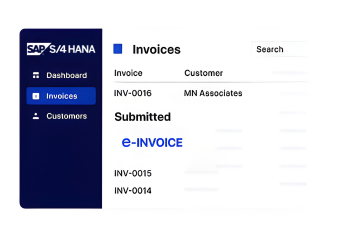
- Enterprise Visibility Continues: Processing information can remain associated with the originating transaction, allowing teams to maintain visibility across the business record.
Extending the Digital Core Into Tunisia DGI
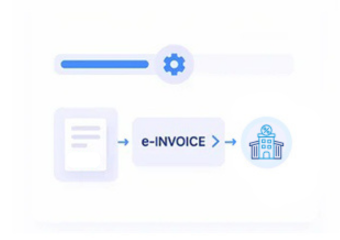
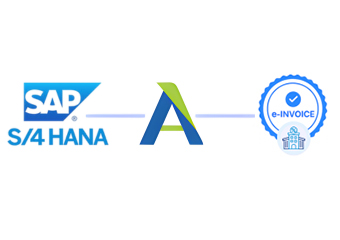
Advintek connects SAP S/4HANA’s integrated business data with Tunisia DGI e-invoicing, creating a route from real-time enterprise activity to electronic invoice processing, validation, submission, tracking, compliance checks, and structured record management across established business workflows.
- Connects live transactions with DGI workflows
- Uses unified business partner information
- Carries billing and tax details forward
- Preserves invoice links across enterprise records
Six Data Layers Behind an S/4HANA Invoice
- Business Partners Establish Identity: Centralized business partner information can provide the customer details required to identify the recipient of an electronic invoice.
- Sales Activity Provides Commercial Context: Relevant transaction information explains the business event that ultimately produces the invoice.
- Materials Define Transaction Lines: Material information contributes consistent product details when goods or related items form part of the transaction.
- Billing Creates the Invoice Record: Billing information brings the commercial event together into a document containing the values and references required for processing.
- Finance Adds Accounting Visibility: Financial information connects the invoice with the broader accounting environment surrounding the enterprise transaction.
- Tax Results Complete the Fiscal Layer: Applicable tax information can accompany the transaction before its electronic representation enters Tunisia DGI processing.
Everything You Need for Tunisia E-Invoicing in One Place
Unified Business Data
Connected enterprise information can bring customer, product, sales, billing, financial, and tax records together around electronic invoice preparation.
Embedded Financial Processes
Financial information remains part of the wider business transaction, providing accounting context around invoices generated from enterprise activity.
Integrated Transaction Visibility
Electronic invoice information can remain associated with originating transactions, supporting visibility across commercial and financial processes.
Move S/4HANA Transactions Into Tunisia DGI
Organizations using SAP S/4HANA can connect business partners, sales activity, materials, billing, financial information, and tax data with Tunisia DGI e-invoicing while maintaining established workflows and supporting invoice preparation, validation, submission, tracking, and compliance processing.
- Continue operating within the S/4HANA environment
- Identify relevant enterprise transactions
- Carry current business data into invoices
- Keep electronic documents tied to source activity
Into Tunisia DGI Electronic Invoicing
Connect SAP S/4HANA's integrated enterprise processes with Tunisia DGI electronic invoicing while preserving the business context behind each relevant transaction.
Bring business partner data, sales activity, materials, billing information, financial context, tax results, and DGI processing information through one connected workflow.
Ready e-Invoice System
Frequently Asked Questions SAP S/4HANA E-Invoicing Tunisia
Can SAP S/4HANA connect with Tunisia DGI e-invoicing?
Yes. Relevant S/4HANA business, billing, financial, customer, material, and tax information can connect with an electronic invoicing workflow supporting applicable Tunisia DGI requirements.
Which S/4HANA information can contribute to electronic invoices?
Depending on the transaction, business partner data, sales information, materials, billing records, financial details, tax results, values, and references can contribute.
Can S/4HANA business partner data support invoice preparation?
Yes. Relevant business partner information can provide customer identification, address details, and other applicable information required for electronic invoice preparation.
Can S/4HANA material information appear on invoice lines?
Yes. Applicable material descriptions, identifiers, units, quantities, and related information can contribute to electronic invoice line details.
Can S/4HANA financial information remain connected with invoices?
Yes. Relevant financial information can remain associated with originating transactions, providing accounting context for electronic invoice records.