

Compliance That Fits NetSuite Users
From NetSuite Order to Tunisia DGI Invoice
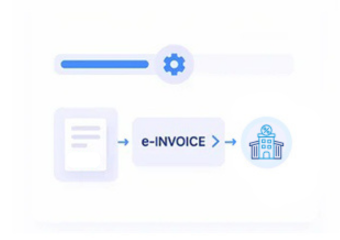
- Confirm the Commercial Record: A completed sales transaction is identified within NetSuite as the business event requiring electronic invoice preparation.
- Bring the Order Together: Customer, item, quantity, subsidiary, fulfillment, value, and reference information is assembled from the related Oracle NetSuite records.
- Establish the Invoice Content: The collected information is organized around the actual transaction so the resulting document represents the sale accurately.
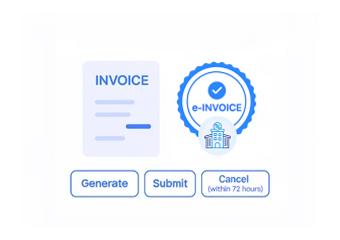
- Apply DGI-Oriented Checks: Invoice information is reviewed for applicable Tunisia DGI requirements before the electronic document enters regulatory handling.
- Process the Electronic Invoice: The prepared document moves through the applicable Tunisia electronic invoicing infrastructure for DGI processing and response.
- Relate the Outcome to NetSuite: The invoice and its processing information can be associated with the originating transaction, preserving continuity inside the cloud business environment.
What Advintek Adds to Oracle NetSuite
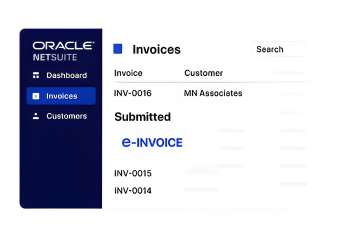
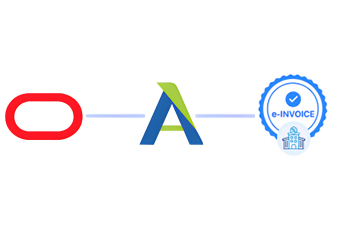
Advintek connects NetSuite’s cloud transaction environment with Tunisia DGI e-invoicing, bringing sales, customer, item, fulfillment, and financial information into one electronic invoice process.
- Uses NetSuite sales transactions as invoice sources
- Brings item and customer details into preparation
- Accounts for subsidiary and fulfillment context
- Connects DGI outcomes with NetSuite records
A Cloud Commerce Route to DGI Invoicing With Oracle NetSuite
- Sales Orders Carry the Commercial Agreement: The order can provide the core transaction information needed for invoicing, allowing the electronic document to originate from an established NetSuite sale.
- Customer Records Keep Billing Identity Clear: Existing customer information can support recipient identification without separating the invoice from the account behind the transaction.
- Item Records Explain the Sale: Product and service information can populate invoice lines while remaining consistent with the catalog information maintained in NetSuite.
- Fulfillment Can Confirm Transaction Progress: Where delivery is part of the process, fulfillment activity can add useful context to the commercial record before invoicing.
- Subsidiaries Preserve Enterprise Structure: Organizations operating multiple entities can retain the appropriate subsidiary context when transactions enter the electronic invoicing process.
- Cloud Records Support Follow-Up: After DGI processing, the electronic document can remain associated with NetSuite activity, helping teams review and reconcile the completed transaction.
Everything You Need for Tunisia E-Invoicing in One Place
Sales-to-Invoice Connectivity
NetSuite sales transactions can provide the commercial information needed for electronic invoice preparation while retaining the underlying order context.
Subsidiary-Aware Processing
Relevant subsidiary information can remain associated with transactions, supporting organizations that manage multiple business entities within NetSuite.
Fulfillment and Invoice Continuity
Where applicable, fulfillment activity can contribute supporting transaction context while the resulting invoice remains connected with the originating NetSuite record.
Oracle NetSuite Transactions Aligned With Tunisia DGI
Organizations using Oracle NetSuite can connect sales orders, customers, items, fulfillment, subsidiaries, and financial activity with Tunisia DGI electronic invoicing.
- Continue managing cloud operations through NetSuite
- Bring qualifying sales into DGI processing
- Preserve subsidiary and transaction context
- Keep invoices connected with source records
With Tunisia DGI Invoicing
Give NetSuite sales activity a structured route into Tunisia DGI electronic invoicing while retaining its cloud business context.
Carry customer information, item details, fulfillment records, subsidiary context, transaction values, and regulatory outcomes through connected processing.
Ready e-Invoice System
Frequently Asked Questions NetSuite E-Invoicing Tunisia
Can Oracle NetSuite connect with Tunisia DGI e-invoicing?
Yes. Relevant NetSuite sales and financial information can connect with an electronic invoicing workflow supporting applicable Tunisia DGI processing requirements.
Can Oracle NetSuite sales orders support electronic invoice preparation?
Yes. Confirmed sales orders can provide customer, item, quantity, value, and transaction information for preparing the associated electronic invoice.
What Oracle NetSuite records can contribute to an invoice?
Depending on the transaction, sales orders, customer records, item information, fulfillment details, subsidiaries, transaction values, tax information, and references may contribute.
Can Oracle NetSuite subsidiaries remain identified during invoicing?
Yes. Relevant subsidiary information can remain associated with the transaction and electronic invoice, supporting organizations operating multiple entities within NetSuite.
Can DGI invoice results remain connected with Oracle NetSuite?
Yes. Electronic invoices and processing outcomes can be associated with originating NetSuite transactions, supporting document tracking and financial follow-up.