

Tunisia E-Invoicing Compliance Solutions and Digital Tax

Oracle E-Business Suite Built for
Get Started Tunisia DGI e-Invoicing
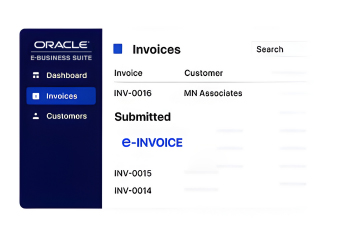
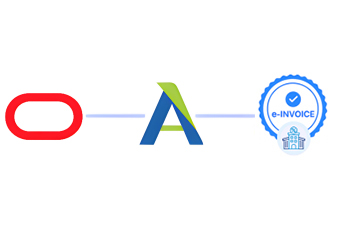
Advintek connects Oracle E-Business Suite billing activity with Tunisia DGI e-invoicing, helping enterprises move established financial processes into electronic invoice processing.
Powerful features

Compliance That Fits Oracle EBS Users

Affordable pricing for SMEs

Simple, Transparent Pricing

Starting from as low as

RM 20

Inside the Oracle E-Business Suite DGI Process

  • Billing Transaction Selection: Qualifying receivable transactions are identified from Oracle E-Business Suite as the source for electronic invoice processing.
  • Customer and Site Resolution: The relevant customer account, billing location, transaction references, and associated information are brought together around the invoice.
  • Line and Value Assembly: Invoice lines, quantities, descriptions, taxable amounts, and transaction values are organized into a complete representation of the billed activity.
  • Accounting and Tax Review: Financial distributions and applicable tax information are considered before the invoice is prepared for regulatory processing.
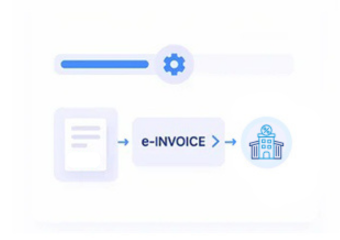
  • Electronic Invoice Generation: The reviewed billing information is transformed into the required electronic document structure for Tunisia DGI processing.
  • DGI Result Reconciliation: Processing results can be returned to the connected workflow and associated with the original E-Business Suite transaction for subsequent reference.

What Advintek Adds to Oracle E-Business Suite

Advintek extends Oracle E-Business Suite receivables with Tunisia DGI e-invoicing, connecting billing records, customer information, accounting context, and tax data with electronic regulatory processing.

ما هو موصل الفاتورة الإلكترونية
Why-Affinity-CRM-Users

A Financial-Controlled Route to DGI Invoicing

  • Receivables Become the Invoice Source: Existing billing activity can feed the electronic invoice process, keeping regulatory documentation grounded in established E-Business Suite transactions.
  • Customer Sites Add Precision: Account and site information helps distinguish billing relationships and gives the invoice clearer organizational context.
  • Line-Level Detail Remains Available: Individual billed items, descriptions, quantities, and values can be carried into the electronic document rather than reducing the transaction to a single total.
  • Accounting Distributions Add Depth: Financial distribution information provides another layer of context when teams review how an invoice relates to enterprise accounting activity.
  • Tax Information Is Considered Before Submission: Applicable tax details are reviewed during preparation so the electronic document corresponds more closely with the original billing transaction.
  • Reconciliation Closes the Loop: After DGI processing, the resulting invoice information can be connected back to the E-Business Suite transaction, supporting financial follow-up.
Powerful features

Everything You Need for Tunisia E-Invoicing in One Place

Heading (48)

Oracle E-Business Suite Ready for Tunisia DGI

Enterprises using Oracle E-Business Suite can connect receivables, customer accounts, billing lines, tax information, and accounting activity with Tunisia DGI e-invoicing.

Bring E-Business Suite Billing

Into Tunisia DGI Invoicing

Connect established Oracle billing activity with DGI electronic invoicing while keeping financial records at the center of the process.

Carry customer accounts, billing lines, tax information, accounting distributions, invoice references, and regulatory outcomes through connected processing.

Ready e-Invoice System

0 % DGI

Frequently Asked Questions Oracle EBS E-Invoicing Tunisia

Can Oracle E-Business Suite connect with Tunisia DGI e-invoicing?

Yes. Relevant E-Business Suite receivables and billing information can connect with an electronic invoicing workflow supporting applicable Tunisia DGI processing requirements.

Depending on the transaction, customer accounts, billing sites, receivable transactions, invoice lines, quantities, tax information, accounting distributions, and transaction references may contribute.

Qualifying receivable transactions can provide the underlying billing information, which is then organized and prepared for electronic invoice processing through the Tunisia DGI workflow.

Yes. Where applicable, accounting distribution information can provide supporting financial context and help connect the electronic invoice with its underlying accounting activity.

Yes. Electronic invoice information and processing outcomes can be associated with originating receivable transactions, supporting reconciliation and ongoing financial reference.