

Compliance That Fits Affinity Legal ERP Users
How Affinity Billing Travels Through the DGI Process
- Matter and Client Extraction: Relevant client, matter, service, and billing information is gathered from Affinity and prepared for the connected electronic invoicing process.
- Invoice Information Mapping: Applicable billing fields are mapped into the information structure required for DGI-oriented electronic invoice processing, helping preserve relationships between source records and invoice details.
- Data Quality Review: Invoice information undergoes checks for required details, consistency, and applicable tax information before moving further through the electronic invoicing workflow.
- Electronic Invoice Assembly: Verified billing information is assembled into the appropriate electronic invoice structure, creating a consistent record from Affinity-originated information.
- DGI Processing and Submission: Prepared invoices proceed through the applicable Tunisia electronic invoicing infrastructure for processing under the DGI framework, with responses returned to the connected workflow.
- Status and Record Updates: Processing results and relevant invoice information are retained in organized records, giving teams a clearer view of completed and outstanding invoice activity.
Turning Affinity Billing Records Into DGI-Ready Invoices
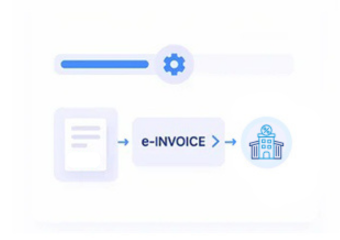
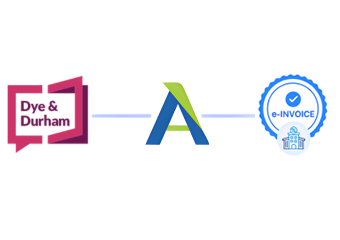
Advintek creates a structured connection between Dye & Durham Affinity billing information and Tunisia DGI e-invoicing, helping transform relevant matter data into validated electronic invoice records.
- Maps client and matter billing information into invoice records
- Checks required information before DGI processing
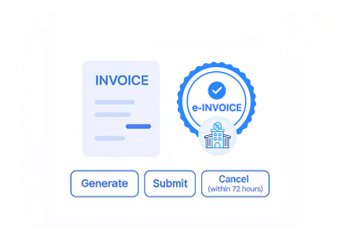
- Supports structured electronic invoice preparation and submission
- Keeps processing results connected with billing records
Why Affinity Legal ERP Users Choose Advintek
- Client-to-Invoice Continuity: Relevant client and matter information stays connected with billing records, reducing the need to reconstruct invoice details across separate processes.
- Cleaner Billing Information: Structured checks help identify inconsistencies before invoices progress further, giving teams an opportunity to correct relevant information.
- Matter-Level Traceability: Invoice activity can remain associated with its originating matter and client context, making related records easier to follow throughout processing.
- Fewer Disconnected Steps: Preparing, checking, and routing invoice information through one connected workflow reduces fragmented handling between legal billing and compliance activities.
- Better Processing Awareness: Teams can see where invoice information stands during validation and submission instead of relying on disconnected follow-up activities.
- DGI-Aligned Invoice Records: Structured processing helps ensure relevant billing information is prepared with applicable DGI requirements in mind before electronic submission.
Everything You Need for Tunisia E-Invoicing in One Place
Billing Data Mapping
Relevant Affinity billing fields can be organized into structured invoice information, helping preserve important relationships between matters, clients, services, and invoices.
Processing Status Tracking
Invoice activity can be monitored across validation and submission stages, giving teams clearer visibility into processing results and required follow-up.
Record-Based Compliance Support
Structured invoice records provide a useful reference for reviewing processed information and maintaining continuity between Affinity billing activity and DGI requirements.
Affinity Billing Built for Tunisia DGI Processes
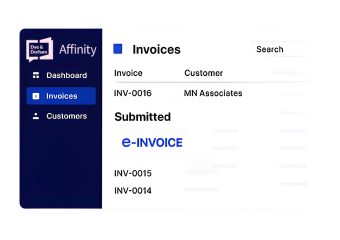
Legal practices using Dye & Durham Affinity can connect client, matter, service, and billing information with Tunisia DGI electronic invoicing while preserving familiar practice-management workflows.
- Keep client and matter information within Affinity
- Connect billing records with DGI processing
- Organize electronic invoice information consistently
- Follow invoice activity through processing stages
Tunisia DGI e-Invoicing
Connect legal billing information with DGI processes through structured electronic invoice preparation and validation.
Maintain continuity between client matters, billing records, regulatory processing, and organized invoice information across connected workflows.
Ready e-Invoice System
Frequently Asked Questions Affinity Legal ERP E-Invoicing Tunisia
Can Dye & Durham Affinity connect with Tunisia DGI e-invoicing?
Affinity can provide relevant client, matter, service, and billing information for a connected DGI e-invoicing workflow that handles electronic invoice preparation and processing.
How can Affinity billing information reach DGI?
Advintek can collect applicable billing information from Affinity, organize required invoice data, perform relevant checks, and route prepared electronic invoices through the applicable DGI process.
Which Affinity information can support electronic invoices?
Depending on the transaction, relevant information can include client details, matter references, services, billing information, transaction details, and applicable tax information required for invoice preparation.
Can Affinity invoice information be checked before DGI processing?
Yes. Connected processing can review relevant invoice information before submission, helping identify missing or inconsistent details that may require correction.
Can teams monitor Affinity invoice processing?
Connected workflows can provide visibility into validation activity, submission progress, processing responses, and associated invoice records throughout the electronic invoicing lifecycle.