

Tunisia E-Invoicing Compliance Solutions and Digital Tax

Shopify POS Retailers Can Connect
Start Compliance Setup In-Store Sales With Tunisia DGI E-Invoicing
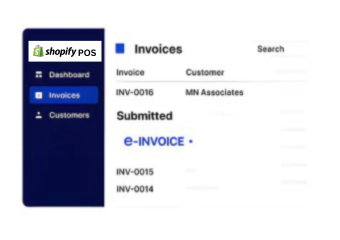
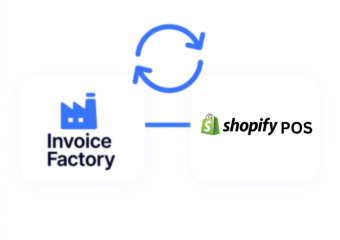
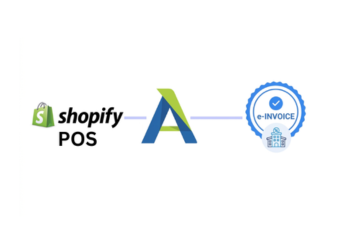
Advintek connects Shopify POS retail transactions with Tunisia DGI e-invoicing, helping businesses move checkout, customer, product, and tax information into electronic invoice workflows.
Powerful features

Compliance Built for Shopify POS Retail Workflows

Affordable pricing for SMEs

Simple, Transparent Pricing

Starting from as low as

RM 20

From Shopify POS Retail Checkout to Tunisia DGI

  • A Sale Is Completed: The process starts when a customer completes a purchase through Shopify POS at a connected retail location.
  • Purchased Items Are Captured: Product, variant, quantity, and transaction information from the checkout become part of the source record.
  • Customer Details Are Associated: Where customer information is available and applicable, relevant profile details can be connected with the sale.
  • The Retail Record Takes Shape: Transaction values, tax information, location details, and item information are brought together around the completed sale.
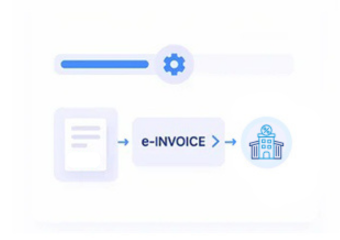
  • The Electronic Invoice Is Prepared: Relevant retail information is organized into the required electronic invoice structure before Tunisia DGI processing.
  • The Transaction Remains Traceable: Processing information can remain associated with the original Shopify POS transaction for continued retail and accounting reference.

Connecting Shopify POS Retail Activity With Tunisia DGI

Advintek extends Shopify POS beyond checkout by connecting retail transaction data with Tunisia DGI e-invoicing and preserving the complete commercial context behind each individual sale.

What is Advintek's e-invoice connector for Zoho Books
Why-Affinity-CRM-Users

What Goes Into a Shopify POS Invoice

  • Checkout Starts the Record: The completed checkout establishes the retail transaction and captures the items selected by the customer.
  • Products Define the Purchase: Product and variant information provides the descriptive foundation for individual invoice lines created from the sale.
  • Customer Data Identifies the Buyer: Available customer profile information can add relevant identification details when the transaction requires a named recipient.
  • Location Adds Retail Context: The Shopify POS location associated with the sale can help identify where the transaction took place.
  • Tax Information Follows the Sale: Applicable tax information recorded with the transaction can accompany the invoice data during electronic preparation.
  • The Receipt Becomes an Electronic Record: Relevant transaction information can be transformed into structured invoice content for Tunisia DGI processing.
Powerful features

Everything You Need for Tunisia E-Invoicing Workflows in One Platform

Built for UAE Businesses Using QuickBooks

Bring Shopify POS Sales Into Tunisia DGI

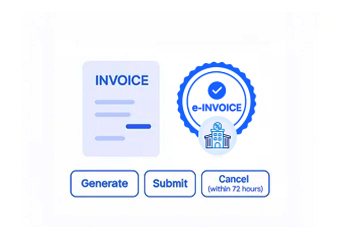
Retail businesses using Shopify POS can connect checkout transactions, products, customers, locations, taxes, and sales records with Tunisia DGI e-invoicing while maintaining established retail workflows and supporting invoice preparation, validation, submission, tracking, and compliance processing. 

Extend Shopify POS Retail

Into Tunisia DGI Electronic Invoicing

Connect everyday Shopify POS checkout activity with Tunisia DGI electronic invoicing while keeping retail transaction details connected to their original source.

Carry product information, customer details, quantities, transaction values, store locations, tax data, and DGI processing results through one structured workflow.

Ready e-Invoice System

0 % DGI

Frequently Asked Questions Shopify POS e-Invoicing Tunisia

Can Shopify POS connect with Tunisia DGI e-invoicing?

Yes. Relevant Shopify POS retail, product, customer, transaction, location, and tax information can connect with an electronic invoicing workflow supporting applicable Tunisia DGI requirements.

Depending on the transaction, products, variants, quantities, customer information, transaction values, location details, tax information, and references can contribute.

Yes. Applicable product names, variants, identifiers, quantities, and descriptions can contribute to electronic invoice line information.

Yes. Where customer information is available and applicable, relevant profile details can provide identification context for electronic invoice preparation.

Relevant location information can provide retail context and help associate a transaction with the Shopify POS outlet where the sale occurred.