

Compliance Built for EnterpriseOne Financial Systems
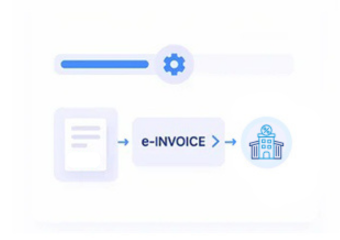
How Oracle JD Edwards EnterpriseOne Transactions Reach DGI
- Locate the Billing Event: The workflow identifies the Oracle JD Edwards EnterpriseOne transaction that represents completed business activity requiring electronic invoicing.
- Gather Operational Information: Customer, branch, order, item, quantity, tax, and transaction information is collected from the relevant Oracle JD Edwards EnterpriseOne records.
- Establish the Invoice Structure: Commercial and financial details are organized into the appropriate invoice representation while preserving important transaction references.
- Review Regulatory Information: Required invoice fields and applicable DGI information are checked before the document proceeds into electronic processing.
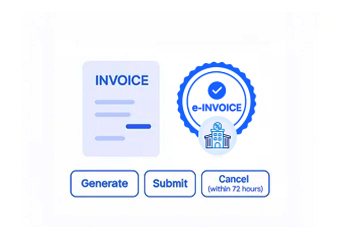
- Send Through DGI Processing: The prepared invoice enters the applicable Tunisia electronic invoicing infrastructure for DGI handling and regulatory response.
- Return the Invoice Context: Processing information can be connected back with EnterpriseOne records, allowing teams to retain the relationship between operational activity and the electronic document.
What Advintek Adds to Oracle JD Edwards EnterpriseOne
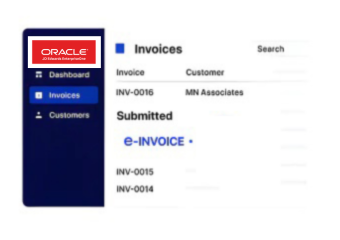
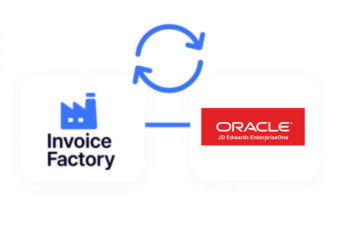
Advintek connects Oracle JD Edwards EnterpriseOne’s operational and financial records with Tunisia DGI e-invoicing, helping distributed businesses move transactions into electronic regulatory processing without separating invoicing from daily operations.
- Brings branch and transaction records into DGI workflows
- Uses order and inventory information for invoice preparation
- Incorporates customer and tax details
- Connects processed invoices with EnterpriseOne records
Supporting Distributed Operations Through DGI Invoicing
- Branch Activity Retains Its Origin: Transactions from different operating locations can enter the invoice process with their original organizational context still available.
- Customer Information Helps Separate Accounts: Account and address information can distinguish customers and billing locations when enterprises manage numerous business relationships.
- Orders Provide the Commercial Blueprint: Sales-order information can explain what was agreed and supply the product and quantity details required for the invoice.
- Inventory Data Makes Lines More Precise: EnterpriseOne item information can help ensure that electronic invoice lines correspond with the goods represented in the transaction.
- Tax Information Follows Local Activity: Applicable tax details can be considered according to the transaction before the electronic document reaches DGI processing.
- Financial Records Support the Final Check: Once processing is complete, invoice information can be considered alongside EnterpriseOne financial activity for reconciliation and document follow-up.
Complete Control Over Tunisia E-Invoicing Workflows in One Platform
Branch-Aware Invoice Preparation
EnterpriseOne transaction information can retain operational context while qualifying sales and billing records are prepared for Tunisia DGI processing.
Order and Inventory Connectivity
Sales orders and item records can contribute detailed commercial information to electronic invoices generated from completed business transactions.
Operational-to-Financial Reconciliation
Electronic invoices can remain associated with EnterpriseOne activity, helping teams compare regulatory documents with underlying operational and financial records.
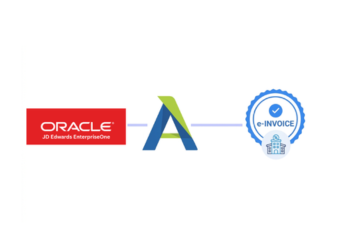
JD Edwards EnterpriseOne Connected to Tunisia DGI
Organizations using Oracle JD Edwards EnterpriseOne can connect branch, customer, sales order, inventory, tax, and financial information with Tunisia DGI e-invoicing while maintaining established business workflows and supporting consistent compliance processes across daily operations.
- Continue managing distributed operations through EnterpriseOne
- Bring qualifying transactions into DGI processing
- Preserve branch and transaction context
- Reconcile invoices with enterprise records
With Tunisia DGI Invoicing
Bring distributed Oracle JD Edwards EnterpriseOne transactions into DGI electronic invoicing while keeping operational context connected.
Carry branch details, customers, orders, inventory information, tax records, financial references, and regulatory outcomes through the invoice journey.
Ready e-Invoice System
Frequently Asked Questions EnterpriseOne e-Invoicing Tunisia
Can Oracle JD Edwards EnterpriseOne connect with Tunisia DGI e-invoicing?
Yes. Applicable Oracle JD Edwards EnterpriseOne transaction and financial information can connect with an electronic invoicing workflow supporting Tunisia DGI processing requirements.
Can branch transactions be included in DGI invoicing?
Qualifying transactions from Oracle JD Edwards EnterpriseOne operating locations can contribute to electronic invoice preparation while retaining relevant organizational and transaction context.
What Oracle EnterpriseOne information can support an electronic invoice?
Depending on the transaction, customers, addresses, sales orders, items, quantities, tax information, transaction values, branch details, and financial references may contribute.
Can inventory information become invoice detail?
Yes. Relevant Oracle JD Edwards EnterpriseOne item information, descriptions, and quantities can contribute to invoice lines where those details represent the underlying business transaction.
Can Oracle JD Edwards EnterpriseOne records remain connected after DGI processing?
Yes. Electronic invoice information and processing results can remain associated with originating EnterpriseOne transactions, supporting reconciliation and future document reference.